Life skills for students are the practical, everyday abilities that exam results alone cannot measure: communicating clearly, managing money, solving problems and taking responsibility.
This guide sets out the skills that matter most, how schools build them into everyday learning and what parents can do at home.
By the end, you will know exactly what to look for when you judge whether a school is preparing your child for life after Year 13, not just for the next exam.
Why Life Skills for Students Matter
Life skills for students are what turn good grades into a good start. Strong grades open doors, but they do not automatically prepare a young person to handle a first job, a shared flat or a university deadline.
The importance of life skills for students shows up in the gaps parents notice later: a graduate who cannot manage a budget, a teenager who avoids difficult conversations, a capable student who falls apart when a plan changes.
Employers have been clear about this for years. They consistently rank communication, teamwork and problem solving alongside qualifications, because those are the skills that turn knowledge into results.
The Essential Life Skills for Students to Master
These are the six essential life skills for students that carry the most weight after school.
1. Communication Skills
Communication skills cover far more than public speaking. Students need to explain an idea clearly, listen properly, write a professional email and disagree without damaging a relationship.
Wide reading feeds all of this, which is why our guide on how to Encourage Children to Read is a useful starting point.
2. Problem Solving
Problem solving means breaking a challenge into parts, weighing options and acting without waiting to be told what to do.
Students build it through open-ended tasks that have more than one correct answer, and the Benefits of High Performance Learning for Students show how structured thinking habits make this consistent rather than accidental.
3. Financial Literacy
Financial literacy is one of the most requested practical skills students need. Budgeting, understanding the cost of borrowing, saving for a goal and reading a payslip all belong on the list before a child leaves school.
Options such as Business Studies and Economics in the IGCSE Subjects list give this a formal foundation.
4. Time Management
Time management turns intention into progress. Planning a week, breaking a project into stages and protecting focus time are habits that decide how well a student copes with A Levels and university. Managing Screen Time for Children is often the first real test of this skill.
5. Emotional Intelligence
Emotional intelligence is the ability to recognise your own emotions, manage them under pressure and respond to other people with empathy.
It underpins teamwork, leadership and resilience, and it grows fastest in a school whose Ethos treats character as seriously as attainment.
6. Independence and Responsibility
Independence and responsibility grow when children are trusted with real tasks and real consequences: organising their own bag, owning a mistake, keeping a commitment without a reminder.
Students who take ownership of their own revision often use structured support such as iXcel online tutoring to stay on track.
|
Skill |
What it looks like in practice |
|
Communication skills |
Presenting an idea, writing a clear email, listening actively |
|
Problem solving |
Breaking a task down, comparing options, deciding and acting |
|
Financial literacy |
Budgeting, saving, understanding costs and value |
|
Time management |
Planning ahead, meeting deadlines, prioritising tasks |
|
Emotional intelligence |
Managing stress, resolving conflict, showing empathy |
|
Independence and responsibility |
Organising themselves, owning outcomes, asking for help wisely |
How Life Skills Education in Schools Works
Life skills education in schools rarely sits in one timetabled lesson. It is built into how subjects are taught, how students are assessed and how the school day is organised. Frameworks such as High Performance Learning UAE give that work a clear structure.
1. Life Skills for Students Inside the Classroom
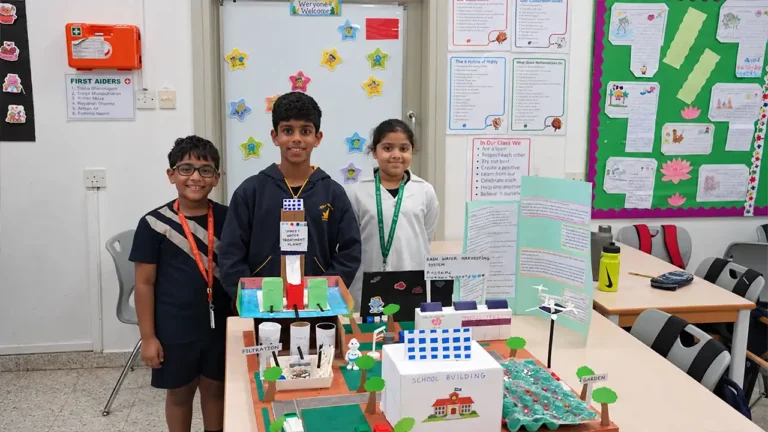
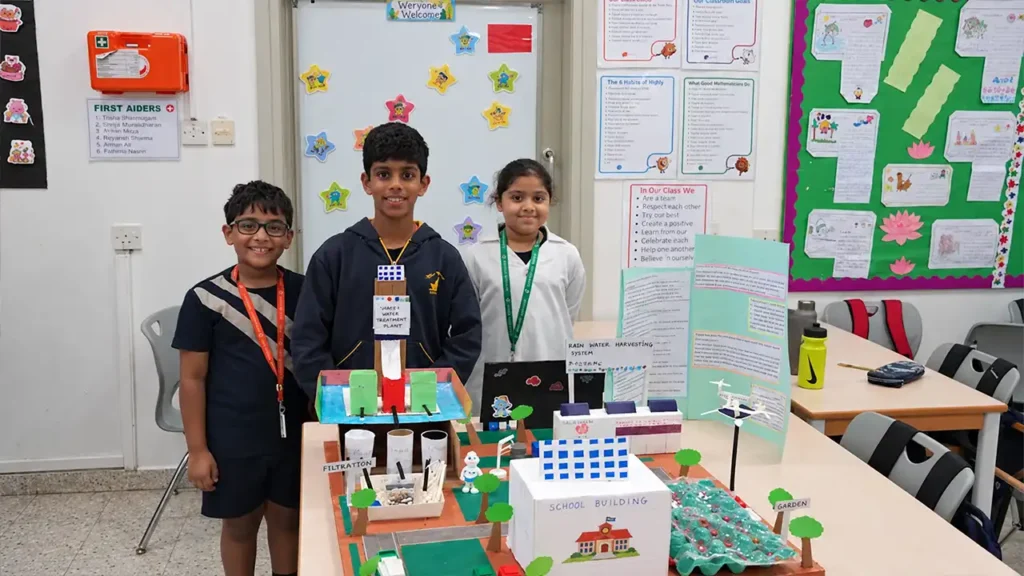
Group projects build teamwork and negotiation. Presentations build confidence and clarity. Investigations in STEM Education build analytical thinking, because students have to test an idea, fail, adjust and try again.
Subject learning carries the skill. A student who defends a conclusion in science is practising the same reasoning a manager uses in a meeting.
2. Life Skills for Students Beyond the Classroom
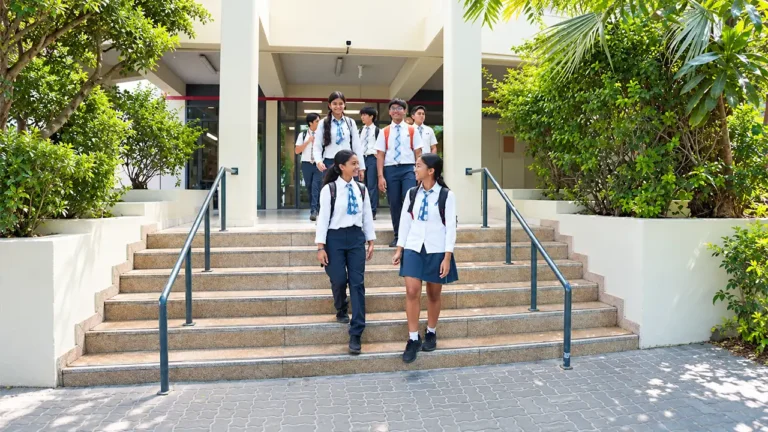
Student councils, clubs, house competitions and community projects give young people real responsibility with real consequences.
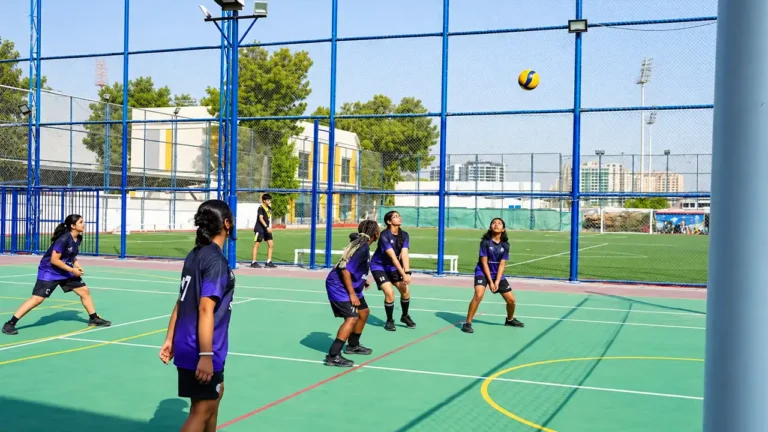
Weekend training at the SIG Sports Academy adds discipline, teamwork and commitment to the mix.
These are the settings where life skills for students stop being classroom theory and start becoming habits.
Life Skills for Teenagers: What Changes in the Senior Years
Younger children learn routines and cooperation, starting as early as Early Explorers Nursery. Life skills for teenagers shift towards independence, decision making and preparing for life after school.
- Years 7 to 9: organisation, study habits, digital responsibility and managing friendships
- Years 10 to 11: exam strategy, workload planning, early financial awareness and stress management
- Years 12 to 13: university and career decisions, budgeting, interview skills and living independently
Teenagers respond better when the reasoning is explained rather than imposed. A conversation about why a budget matters works better than a rule about spending. Parent sessions in the SIG Learning Series cover exactly these conversations.
How Parents Can Build These Skills at Home
Parents shape life skills for students as much as teachers do, because daily life at home is where most of the practice happens.
Our Parent Teacher Meeting Tips also help you turn school feedback into specific targets at home.
- Give your child a monthly allowance and let them manage it, including the mistakes
- Ask them to plan one family outing, from timing to transport to cost
- Let them handle small tasks independently, such as booking an appointment
- Discuss a real problem at the dinner table and ask for their solution
- Expect them to explain a decision, not just announce it
Consistency matters more than intensity when you are building life skills for students. A small responsibility repeated weekly builds more capability than a lecture every few months.
How Our Schools Approach Life Skills
At Scholars International Group, our Dubai schools pair the British curriculum with a deliberate focus on character, responsibility and independent thinking.
Students are given opportunities to lead, present, collaborate and take ownership of their learning, so the skills they will need after Year 13 are practised long before they need them.
If you are comparing schools, ask what responsibilities students are trusted with and how progress in these areas is tracked. Our guide to the Best British Schools in UAE sets out the other questions worth asking.
Final Thoughts for Parents
Life skills for students are not an extra subject to fit in around exams. They are what allows the exam results to be used well, and they deserve as much attention as the shortlist in our guide to the Best British Schools in Dubai with Fees.
The strongest schools build communication, problem solving, financial literacy, time management, emotional intelligence and responsibility into everyday learning, and the strongest families reinforce them at home.
To see how our schools develop these skills, Apply Online or speak to our admissions team today.
Frequently Asked Questions
1. What are the most important life skills for students to learn?
Communication, problem solving, financial literacy, time management, emotional intelligence and personal responsibility.
These six carry the most weight after school because they apply to university, work and independent living alike.
2. How do schools teach life skills to students?
Mainly through how subjects are taught rather than a separate lesson: group projects, presentations, investigations and open ended tasks, supported by leadership roles, clubs, sports and community activities.
3. At what age should children start learning life skills?
From the early years. Young children learn routines, sharing and simple responsibility, and the skills grow with them, becoming more independent and financially focused through the teenage years.