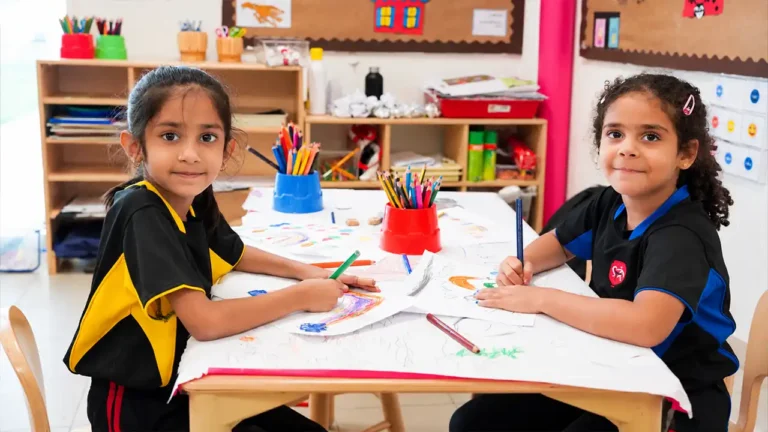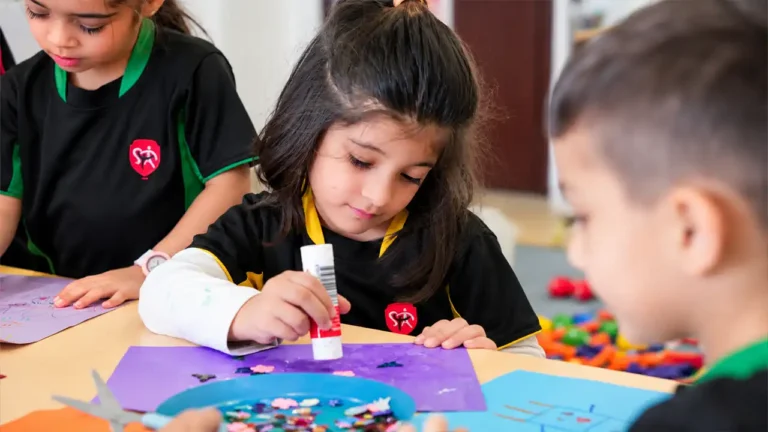

Education has evolved significantly over the past few decades. Traditional teaching methods are no longer sufficient to prepare learners for a rapidly changing world driven by technology, creativity, and global collaboration.
Today, schools are increasingly focusing on innovation in education to improve learning experiences, enhance student engagement, and prepare young people for the future.
Modern classrooms are no longer limited to textbooks and lectures. Instead, they incorporate digital tools, collaborative learning strategies, and advanced teaching frameworks that encourage critical thinking and problem solving.
Through innovation in education, schools aim to create dynamic learning environments where students can develop both academic knowledge and essential life skills.
Across the UAE, schools are embracing modern approaches to teaching and learning. National priorities such as artificial intelligence and STEM, frameworks like High Performance Learning (HPL), and community programs such as the SIG Learning Series are all playing a part in transforming classrooms for students in the UAE.
Understanding the Role of Innovation in Education
The concept of innovation in education involves introducing new ideas, technologies, and teaching strategies that improve how students learn and how teachers deliver lessons.
What Innovation in Education Means for Schools
At its core, innovation in education focuses on improving learning experiences by integrating creative teaching methods and modern tools. In practice, this usually includes:
- Digital platforms and interactive lessons
- Collaborative, project based learning
- Personalized learning that adapts to each student’s pace
- Problem solving tasks linked to real world situations
Schools that adopt innovative practices encourage curiosity, experimentation, and creativity. Instead of memorizing information, students learn to analyze problems, develop solutions, and apply knowledge in real world situations. This shift also builds the life skills students need long after their final exams.
For students in the UAE, these approaches provide opportunities to gain global perspectives and develop the skills required for future careers.
Technology as a Driver of Educational Innovation
Technology plays a major role in modern education. Digital tools such as online learning platforms, smart classrooms, and educational apps make learning more interactive and accessible.
Teachers can use technology to deliver multimedia lessons, conduct virtual experiments, and provide personalized feedback to students. Outside school hours, online tutoring extends this support with personalized lessons in IGCSE, IB and GCE subjects. This integration of technology is a key element of modern education, allowing schools to adapt to the needs of today’s learners.
The Role of the SIG Learning Series in Modern Education
Innovation does not stop at the classroom door. Parents, teachers and the wider school community also need opportunities to keep learning, and the SIG Learning Series was created with exactly that in mind.
What Is the SIG Learning Series?
The SIG Learning Series is a community learning program from Scholars International Group, built on the earlier Clarion Commons talks. It offers in person and online sessions twice a month, along with podcasts and full length recordings, led by experts across a wide range of fields.
Through these sessions, families and educators can explore new ideas, stay informed about changes in technology and learning, and connect with a community that values curiosity.
Benefits of the SIG Learning Series for Families and Educators
Sessions cover topics such as modern parenting, technology and sustainability, professional growth, financial literacy, and health and wellbeing. For parents, this means practical guidance on supporting children in a fast changing world. For teachers, it is a chance to hear fresh perspectives that can inspire new approaches in the classroom.
For students in the UAE, the benefit is indirect but real: when parents and teachers keep learning, children are supported by adults who model curiosity and lifelong learning.
High Performance Learning and Educational Innovation
Another important concept influencing innovation in education is High Performance Learning, or HPL.
Understanding HPL in Modern Classrooms
Developed by Professor Deborah Eyre, the HPL framework is built on the belief that most students can reach high levels of performance when they are taught how to think and learn. Instead of focusing solely on exam results, HPL encourages schools to develop critical thinking, resilience, collaboration, and problem solving abilities, described in the framework as Advanced Cognitive Performance characteristics (ACPs) and Values, Attitudes and Attributes (VAAs).
Through this framework, students learn how to think deeply, approach challenges creatively, and develop confidence in their abilities. You can read more about how High Performance Learning works in UAE schools.
How HPL Supports Innovation in Education
The HPL model aligns closely with the goals of educational innovation. It encourages educators to design lessons that promote active participation and intellectual curiosity.
By implementing HPL, schools create environments where students are encouraged to ask questions, explore ideas, and develop advanced learning habits that support long term academic success.
The benefits of High Performance Learning reach every learner, not only those already achieving top grades.
The Impact of Innovation on Students in the UAE
Educational innovation has a direct impact on the learning experiences of students in the UAE. Modern teaching methods are designed to prepare students for a globalized and technology driven world.
Developing Critical Thinking and Creativity
Through innovation in education, students are encouraged to think independently and analyze complex problems. Classroom activities often involve discussions, group projects, and real world case studies.
These experiences help students develop important skills such as critical thinking, creativity, and effective communication. Subjects like STEM education are a natural home for this kind of learning, combining coding, robotics and practical experiments.
Preparing Students for Future Careers
The modern workforce requires individuals who can adapt to change, collaborate with others, and use technology effectively. Schools that prioritize innovation in education ensure that students are equipped with these skills.
By participating in innovative learning programs, students gain practical knowledge and experience that prepares them for higher education and helps them plan clear university pathways after school.
Collaborative Learning and Student Engagement
One of the key benefits of innovation in education is the ability to create more engaging and interactive classrooms.
Student Centered Learning Approaches
Traditional teaching methods often focus on teacher led instruction. However, modern classrooms encourage student participation through discussions, group projects, and practical activities.
This student centered approach ensures that learners remain actively involved in the educational process.
Encouraging Collaboration and Teamwork
Collaborative learning is another important element of modern classrooms. Students work together to solve problems, share ideas, and develop solutions.
For students in the UAE, these experiences help build teamwork and communication skills that are essential for success in both academic and professional environments.
How UAE Schools Are Leading Educational Innovation
Schools across the UAE have embraced modern teaching practices and continue to invest in innovative learning environments.
Artificial Intelligence in the UAE Curriculum
One of the clearest examples is artificial intelligence. Starting from the 2025/26 academic year, the UAE Ministry of Education introduced AI as an official subject in government schools from kindergarten to Grade 12. The curriculum covers areas such as foundational concepts, data and algorithms, ethical awareness and real world applications, and it is taught within existing timetables rather than as extra hours.
Private schools are also exploring how AI in education can support teaching while keeping students safe in digital learning environments.
Integrating Technology in Classrooms
Many schools have adopted digital learning platforms, smart boards, and interactive software to enhance the educational experience.
These tools support innovation in education by enabling teachers to deliver engaging lessons and provide personalized learning opportunities.
Investing in Teachers and Proven Frameworks
Innovation only works when teachers are confident using new methods. Ongoing professional development, combined with structured frameworks such as HPL, helps schools turn new ideas into consistent classroom practice and develop students who can thrive in challenging academic environments.
Building Future Ready Classrooms Through Innovation
The transformation of modern classrooms shows how powerful innovation in education can be in shaping the future of learning.
By combining frameworks such as HPL, national priorities like AI and STEM, and community programs like the SIG Learning Series, schools are creating dynamic learning environments that inspire curiosity and academic excellence.
Innovative classrooms encourage students to explore ideas, collaborate with peers, and develop the skills necessary for success in a rapidly evolving world.
If you are a parent exploring schools for your child, you can Apply Online or speak to our team to learn how Scholars International Group schools bring these approaches into everyday learning.
FAQ
What does innovation in education mean?
Innovation in education refers to the introduction of new teaching methods, technologies, and strategies designed to improve learning experiences and educational outcomes.
How are UAE schools adopting innovative practices?
Schools in the UAE are adopting digital learning tools, expanding STEM and coding, and introducing artificial intelligence, which became an official subject in government schools from the 2025/26 academic year. Some private schools also use structured frameworks such as HPL and invest in ongoing teacher training.
Why is innovation important for students today?
Innovation in education helps students develop critical thinking, creativity, and problem solving skills. These abilities are essential for success in modern careers and higher education.