
In today’s rapidly changing world, education is no longer limited to textbooks and exams. Schools are expected to nurture well rounded individuals who can think critically, collaborate effectively, and lead with confidence.
This is where student development programs play a crucial role. These initiatives focus on shaping not only academic abilities but also social, emotional, and leadership skills that prepare students for the future.
Across many leading schools, structured student development programs combine academic excellence with life skills, character education, and leadership opportunities.
When implemented effectively, these programs empower students to become confident learners and responsible global citizens.
Why Student Development Matters in Modern Education
Education systems around the world are evolving to meet the demands of the 21st century. Employers and universities increasingly value skills such as creativity, adaptability, communication, and teamwork.
As a result, schools are focusing more on student development as a core element of the learning experience.
Growth Beyond Academic Achievement
While academic success remains important, true educational growth happens when students develop emotional intelligence, resilience, and self confidence.
Student development programs give learners regular chances to practice the life skills students need to navigate real world challenges.
These programs often include:
- Leadership training
- Social and emotional learning
- Public speaking opportunities
- Community service initiatives
- Team projects
Such experiences help students discover their strengths and develop a strong sense of purpose.
Preparing Students for the Future
Future leaders must be able to solve complex problems and collaborate across cultures. Schools that invest in student development create environments where students practice these skills from an early age.
Through structured programs and mentorship, students learn how to set goals, manage responsibilities, build confidence in their abilities, and plan their next steps, from subject choices to university pathways.
Key Elements of Effective Student Development Programs
Successful student development initiatives focus on multiple aspects of a student’s growth. Rather than relying solely on classroom instruction, schools integrate a variety of learning experiences.
Leadership Opportunities
Leadership development is a fundamental part of student development. Schools encourage students to take responsibility through roles such as:
- Student councils
- Peer mentoring programs
- School event leadership
- Community outreach projects
These opportunities allow students to practice decision making, teamwork, and accountability.
Emotional and Social Growth
Emotional intelligence is just as important as academic knowledge. Many programs include activities designed to help students understand their emotions, build healthy relationships, and communicate effectively.
Workshops, counseling support, and collaborative projects all contribute to developing strong interpersonal skills.
Academic Enrichment
Academic challenges remain a key component of student development. Enrichment programs encourage students to think critically, ask questions, and explore subjects in greater depth.
Schools often use frameworks such as High Performance Learning to push students beyond basic understanding. This approach focuses on developing advanced thinking skills, encouraging students to analyze, evaluate, and apply knowledge in creative ways.
By integrating High Performance Learning principles, schools help students unlock their full academic potential while also strengthening their confidence and curiosity.
Character and Values Education
Strong programs also give students a clear set of values to lead with. In the UAE, this is built into the school week through moral education, which helps students reflect on character, respect, and their role in the community alongside their leadership and enrichment activities.
How Extracurricular Activities Shape Future Leaders
Extracurricular programs are one of the most powerful tools for student development. These activities allow students to explore interests, build friendships, and develop skills that are difficult to teach in traditional classrooms.
Sports and Physical Development
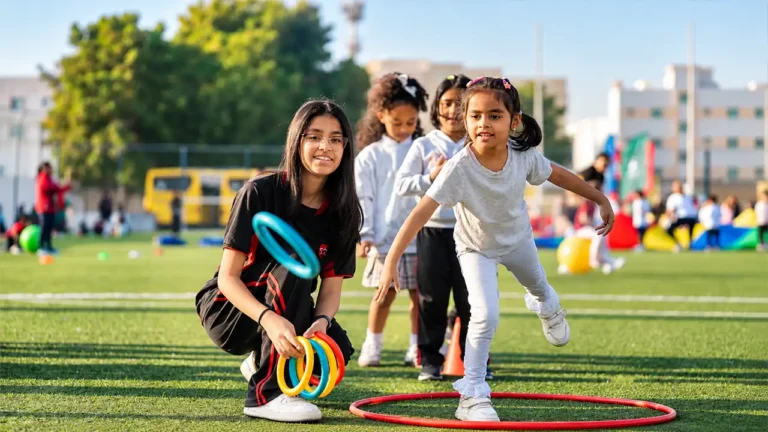
Sports programs teach discipline, teamwork, and perseverance. Participation in athletics strengthens both physical health and mental resilience—two essential aspects of student development.
Students learn how to handle both success and failure, developing the emotional maturity needed for future leadership roles. Weekend training at a sports academy in Dubai can extend these benefits beyond the school timetable.
Arts and Creativity
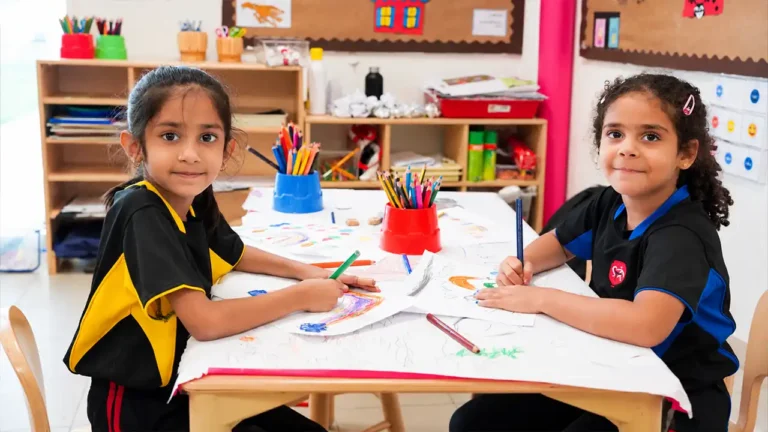
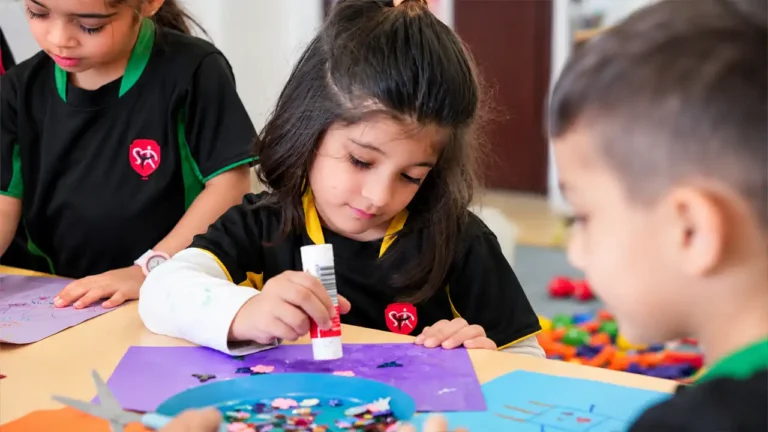
Creative activities such as music, drama, and visual arts play a significant role in student development. These programs encourage self expression and innovation, helping students build confidence in their unique talents.
Creative learning environments also promote problem solving and open minded thinking.
Community Engagement
Community service projects allow students to develop empathy and a sense of responsibility. Volunteering and social initiatives help students understand real world challenges and inspire them to contribute positively to society.
Sustainability is a natural focus for this work, and Scholars International Group invites its community to take part through its sustainability pledge.
These experiences are vital for meaningful student development, as they teach compassion and social awareness.
Building a School Culture Where Students Thrive
For student development programs to succeed, schools must foster a culture that values growth, curiosity, and collaboration.
Supportive Teachers and Mentors
Educators play a crucial role in guiding students through their personal and academic journeys. Teachers who act as mentors can inspire confidence and encourage students to pursue their ambitions.
Strong relationships between teachers and students significantly enhance student development, creating environments where learners feel supported and motivated.
Safe and Inclusive Learning Environments
Students thrive in environments where they feel respected and included. Schools that prioritize diversity, inclusion, and emotional wellbeing create stronger foundations for student development.
When students feel safe and valued, they are more likely to participate actively in learning and leadership opportunities.
How Schools Measure and Improve Student Development
Educational research continues to highlight the importance of holistic learning environments.
What Parents Expect From Schools
The SIG Parent Insight Study 2026, which surveyed 400 parents in Dubai, found that 82% worry their children could lose touch with their cultural identity at school, and families expect schools to build belonging and respect for heritage while preparing children for a global future.
The same study found that 88% of parents are concerned that technology is becoming too dominant over human led teaching and pastoral care. Mentoring, counseling, and community programs are exactly the kind of human support these families are asking for.
Using Data to Refine Programs
Schools are now using research and data to refine their student development programs. By analyzing student feedback and performance, educators can design initiatives that better support individual learning needs.
Studies such as the SIG Parent Insight Study also help schools understand what parents expect from modern education and how institutions can better prepare students for future challenges.
Building on Proven Frameworks
Frameworks grounded in research, including High Performance Learning, encourage schools to focus on advanced thinking skills, independence, and intellectual curiosity. The benefits of High Performance Learning help keep student development programs relevant in an ever changing global landscape.
Empowering Tomorrow’s Leaders
Investing in student development is one of the most effective ways schools can prepare young people for the future. By combining academic rigor, leadership training, extracurricular activities, and emotional support, schools create well rounded individuals capable of making a positive impact on the world.
Programs built around frameworks like High Performance Learning, and shaped by what families shared in the SIG Parent Insight Study about pastoral care and belonging, help institutions design educational experiences that nurture both intellect and character.
Ultimately, strong student development programs equip students with the skills, confidence, and mindset needed to become tomorrow’s innovators, leaders, and changemakers.
If you are looking for a school that gives your child these opportunities, you can Apply Online and our team will help you find the right fit within Scholars International Group.
Frequently Asked Questions
What is holistic student development?
Holistic student development refers to an educational approach that focuses on the overall growth of students, including academic, emotional, social, and physical development. Instead of concentrating only on exam results, holistic programs aim to nurture well rounded individuals who can succeed both personally and professionally.
How do extracurricular activities support student development?
Extracurricular activities enhance student development by giving students opportunities to build leadership skills, teamwork, creativity, and resilience. Activities such as sports, arts, and community service help students discover their interests and develop confidence beyond the classroom.
Why is student development important in UAE schools?
In the UAE’s dynamic and multicultural environment, student development is essential for preparing students to succeed in a global society. Schools that prioritize leadership skills, emotional intelligence, and critical thinking help students adapt to future challenges while contributing positively to their communities.